
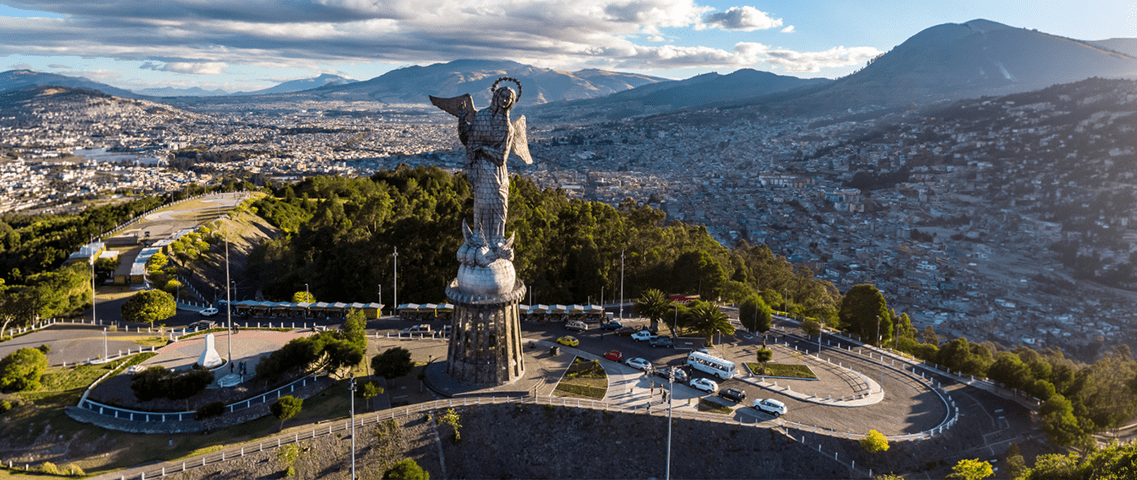
New Ways to Explore Quito
What if we told you that it is possible to experience Quito’s Historic Center in alternative ways that will let you do more than just take photographs?
Traditionally, exploring Ecuador’s capital has meant walking through its historic long and narrow sloping streets, entering magnificent and well-preserved churches, and admiring colonial architecture.
Although these landmarks remain essential for your whole experience, today there are different options to explore Quito’s Historic Center that invite you to become part of its cultural story rather than simply observe it.
Experience Quito Through The Senses
Quito’s artistic heritage is deeply connected to its identity. The celebrated UNESCO World Heritage city preserves an exceptional collection of architecture and art that can still be seen in churches, sculptures, paintings, and decorative work across the city.
Now, you will not only be able to experience this heritage inside a museum, but you will also have the chance to create something yourself or end the tour with a local spirits tasting.
Try Traditional and Contemporary Art Workshops
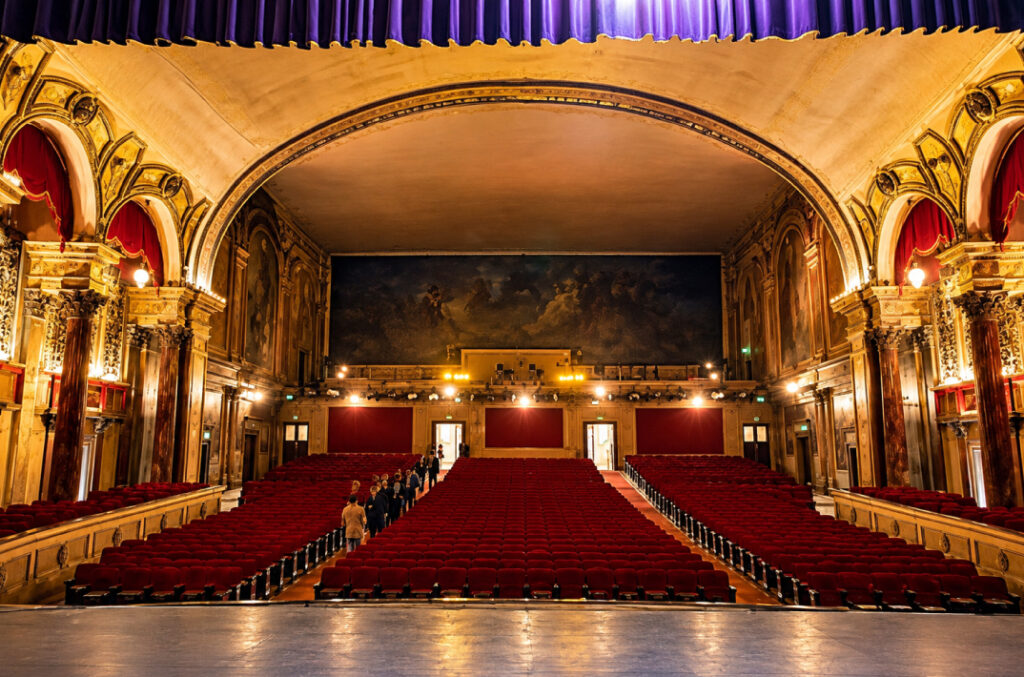
In the iconic Teatro Bolivar in Quito’s Historic Center, heritage techniques meet contemporary creativity. Once there, join workshops in painting, sculpture, ceramics, drawing, wood carving, and gold leaf, creating a natural connection between the legacy of the Escuela Quiteña and modern artistic expression.
You can take part in experiences such as gold-leaf application, calligraphy, abstract painting, and clay sculpture. These activities take about one to three hours and can be offered separately or combined, depending on the itinerary.
Taste Another Side of Quito
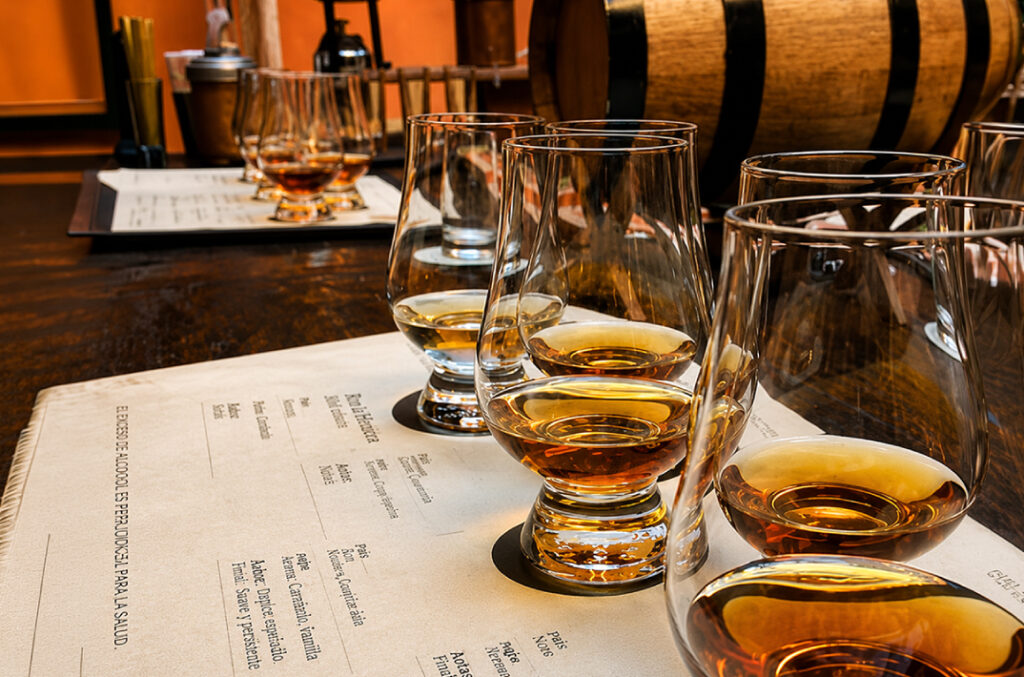
Art is not the only way to discover the city through the senses. An alternative experience will please your palate through a guided tasting of Romero & Sons premium Quito rum.
It offers an entertaining way for travelers to explore a locally connected product while taking a break from walking through churches and plazas.
The tasting can also complement an artistic workshop, creating an experience that moves naturally from Quito’s visual culture to its contemporary flavors.
Discover Quito’s human side through storytelling
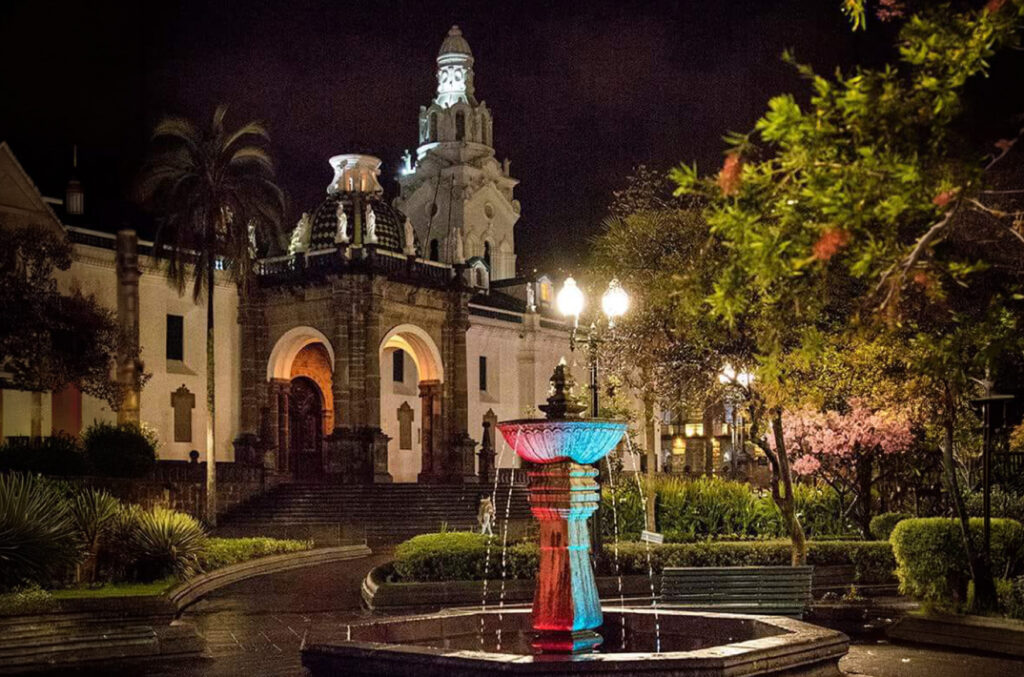
Another option is to explore the city through storytelling. Guided legends and mystery routes reveal the stories behind old streets, monasteries, neighbors, and local traditions, offering a more playful way to experience the Historic Center after dark.
Through the voice of local actors who bring Quito’s legends and iconic characters to life, you’ll learn stories that have been passed down for generations. These theatrical guided tours combine folklore, local imagination, history, and performance, turning streets and plazas into an immersive, entertaining, and interactive stage.
Tips & Recommendations
- Quito art workshops are especially suitable for cultural travelers, couples, small private groups, families, and repeat visitors looking for tailor-made experiences beyond a traditional sightseeing program.
- You can complement your time in Quito with day trips to nearby towns. Mindo and the cloud forest add nature, birdlife, and lush landscapes, while Otavalo or Cotacachi offer an authentic connection with the Andean culture, local crafts, and traditional markets.
- They are also excellent options to spend time in Quito before or after the Galapagos or Amazon, or for those with only a short stay in Ecuador’s capital.
- Quito can be visited year-round. June through September is the dry period and is generally good for walking and outdoor sightseeing. During wetter months, creative workshops, museums, churches, and gastronomic activities become useful indoor alternatives, making itinerary planning more flexible.
Let’s Experience Quito Differently
While touring Quito’s churches and plazas remain a core part of the city’s tours, the most memorable ways to understand this destination involve the senses and participation in alternative ways to get immersed in the culture more deeply and keep a unique memory of the trip.
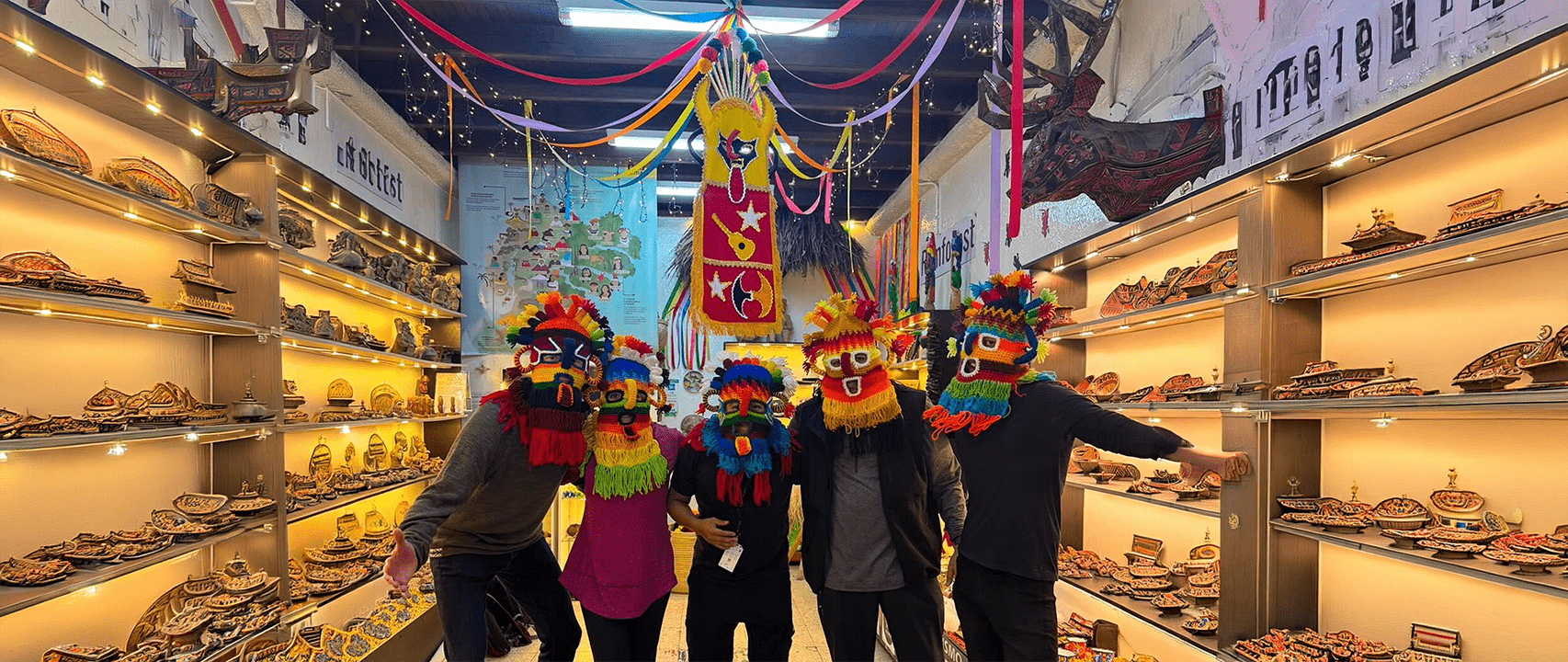
Contact us to discover how these experiences can differentiate your next itinerary in Ecuador.
Published in August 2026