
Embark on a deeper connection with the Galapagos Islands, world-famous for their unique wildlife and surreal volcanic landscapes, with a richly rewarding way to explore them beyond cruises. Indeed, island-hopping is quickly becoming one of the most flexible, immersive, and customizable ways to experience the archipelago.
Let’s dive into how to craft the perfect island-hopping itinerary in the Galapagos Islands for your clients.
Why choose Island-Hopping Itineraries in the Galapagos Islands?
Island hopping gives travelers the best of the Galapagos Islands with more freedom than a cruise. Here’s why island hopping is increasingly popular and how to make it work:
- Flexibility: Travelers can control their itinerary, choose which islands to visit, their accommodations, and activities, making it perfect for multigenerational families.
- In-depth exploration: Spending more time on land allows for a deeper understanding of local culture, landscapes, and endemic species.
- Budget-friendly: With control over lodging and activities, land-based programs can be more cost-effective than cruises.
- Less seasickness: Shorter boat rides reduce the risk of discomfort, especially important for families with kids or older travelers.
- Adventure activities: You can enjoy longer time hiking, mountain biking, diving, and horseback riding. It is great for active clients seeking unique thrills.
- Cultural immersion: Island-hopping means nights in local towns, trying street food, dining in restaurants, enjoying bars, including Galapagos handcrafted beer.
- Flexibility to purchase your air tickets, but it is highly recommended to be sure about the starting and ending points of the itinerary. Baltra and San Cristobal airports are the only ones that connect the Galapagos Islands with Quito or Guayaquil airports on Ecuador’s mainland.
- Family-friendly: It is ideal for families with small children, offering fun and educational activities near endemic species.
The main islands to include in every island-hopping Itinerary
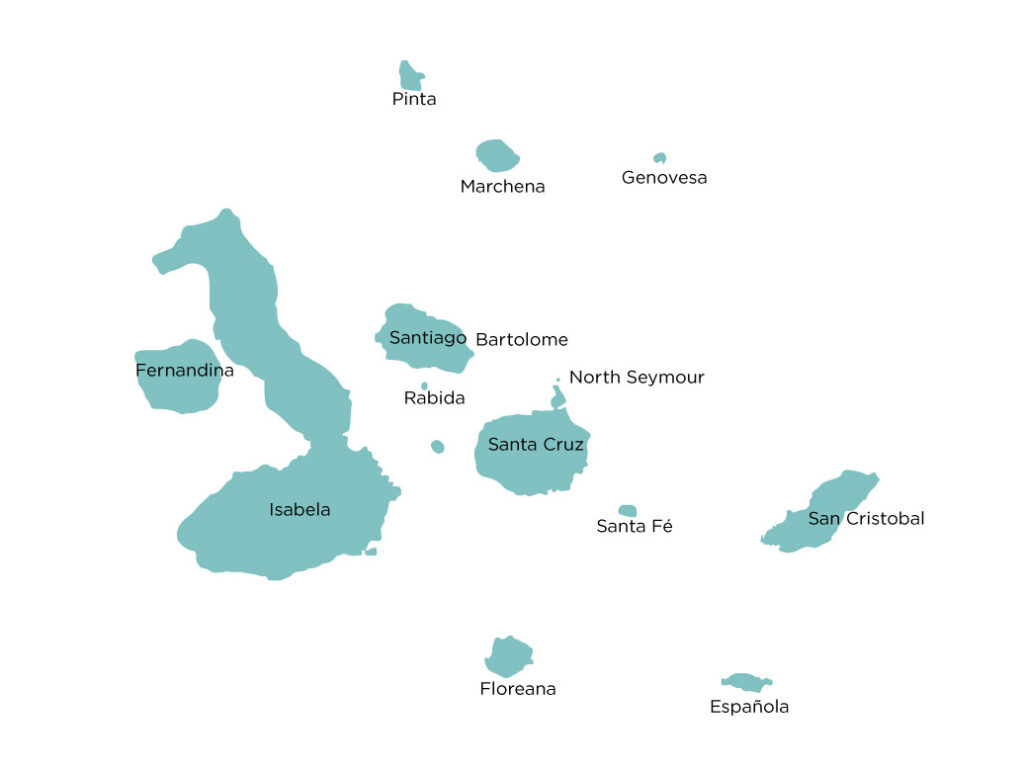
The island-hopping itinerary usually features a combination of these key islands, each with its charm:
Santa Cruz Island
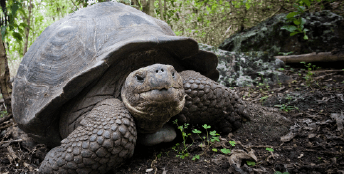
It is a hub of biodiversity, tourism, and conservation. Home to Puerto Ayora, the most populous city in the Galapagos Islands. Discover unique attractions where you can marvel at the majestic Galapagos giant tortoises up close, experience the thrill of spotting exotic birds, and venture into fascinating lava tunnels. Also, the Charles Darwin Station showcases vital conservation efforts of endemic flora and fauna and the Lonesome George legacy. Don’t miss snorkelling in crystalline waters at Las Grietas. Visit the iconic Bachas Beach and Tortuga Bay to watch sea turtles nesting or take full-day navigation excursions to nearby islands such as Bartolome, North Seymour, South Plazas, and Santa Fe Islands.
Isabela Island
It is the largest island and features a unique sea-horse-shaped formation of five volcanoes. Discover vast colonies of iguanas and flamingos. Hike the Sierra Negra Volcano to its impressive crater, surrounded by volcanic rocks and lava formations, considered one of the world’s central fauna reserves with many birds, turtles, and iguana species. Explore the Tunnels of Cape Rose, with unique geological formations ideal for scuba diving and snorkeling amidst albatrosses, penguins, and manta rays. At Tintoreras Islets, spot sea lions, blue-footed boobies, and Galapagos penguins while kayaking or snorkeling to sight white-tip reef sharks. Besides, visit Flamingos Lagoon at sunrise for a mesmerizing display of the largest flamingo population in the Galapagos.
San Cristobal Island
It is the oldest island, featuring a rich history and vibrant local culture. It is famous for the dramatic Kicker Rock, a geological formation off the shore, where you can snorkel and swim near hammerhead sharks, sea turtles, rays, and colorful fish. Besides, join amazing highland excursions and experience Lobos Island’s pristine beaches.
Floreana Island
Some of the highlights are the Cormorant Point, which features two contrasting beaches: one with olive-green sand and the other a powdery white sand beach. Also, the Post Office Bay, a historic site where whalers once left mail to be delivered by passing ships, is a tradition that continues with tourists today. Among the incredible species you can find are the Galapagos flamingo, Galapagos mockingbird, hawks, finches, red-billed tropic birds, sea lions, and turtles. Also, it is home to Devil’s Crown, a popular site for snorkeling.
Essential tips to build a Galapagos island-hopping itinerary
How long does an island-hopping tour last?
It is suggested an Itinerary with at least 3 nights visiting a single Island and doing full-day excursions. If you have more time, 4 to 7 nights, you can combine 2 or 3 main Islands and full days, which have daily departures from each island. These full-day excursions always include two activities an accessible hike, lunch, and snorkeling in a selected spot assigned by the Galapagos National Park.
How to get to the Galapagos Islands?
You can reach the Galapagos Islands only by air. First, you need to arrive at Quito or Guayaquil international airports in Ecuador’s mainland. Then, take a domestic flight to Baltra Island or San Cristobal airports.
How to travel between islands?
There are two available options to connect between islands:
- Public speedboats: These trips can take from 2h30 to 3 hours, depending on currents.
- Inter-island flights: There are flights in small aircraft which take 30 minutes to get to the other Island. When considering an inter-island flight, this can increase the budget of your trip, and always ask for the luggage allowance, as there are certain weight restrictions.
What kind of accommodations are available in the Galapagos Islands?
The Galapagos Islands offer a range of accommodations that suit any traveler’s preferences and budgets. Therefore, Santa Cruz, San Cristobal, and Isabela offer a selection of standard to luxury options, while on Floreana Island, you can find quite limited and standard categories.
What is the best time to visit the Galapagos Islands?
The best time depends on your interests and preferences:
- The warm season from December to May, as the ocean gets warmer, is ideal for snorkeling, swimming, spotting marine life, and enjoying greener landscapes.
- The cool season from June to November is an excellent time for diving near abundant marine life, as the ocean waters are cooler.
However, both seasons offer unique opportunities for wildlife spotting and perfect weather to enjoy outdoor activities and water sports.
Island-hopping in the Galapagos Islands lets your clients go deeper—on land, in the sea, and culture. With the right combination of islands, activities, and expert partners, you can design unforgettable, customized itineraries.
Want support to start planning your itineraries? Contact us!
Published in July 2025