
A Living Dreamscape in Bolivia
In the remote southwest corner of Bolivia, the Reserva Nacional de Fauna Andina Eduardo Avaroa is not only the country’s most visited protected area—it’s one of the Andean region’s most surreal and unforgettable experiences. This national reserve features otherworldly natural beauty and unique wildlife, making it a must-visit destination when you are in Bolivia.
Why Eduardo Avaroa National Reserve deserve a spot?
Established in 1973, the Reserva Nacional de Fauna Andina Eduardo Avaroa stretches over 7000 square kilometers in Bolivia’s Potosí Department, bordering Argentina and Chile. This protected expanse is Bolivia’s crown jewel of high-altitude eco-tourism, offering a dramatic fusion of biodiversity, geothermal activity, and surreal landscapes.
Despite the harsh, semi-desert climate, this reserve shelters an array of wildlife:
- Three flamingo species (Andean, James’s, Chilean)
- Andean foxes, pumas, and even the elusive Andean cat
- Chinchillas and vicuñas roam freely
- Over 80 bird species, including condors.
From reddish lagoons filled with flamingos to volcanoes and geysers, this area provides off-the-beaten-path journeys that check all the boxes for nature lovers, adventure seekers, and sustainable tourism.
Main Attractions that Wow Travelers
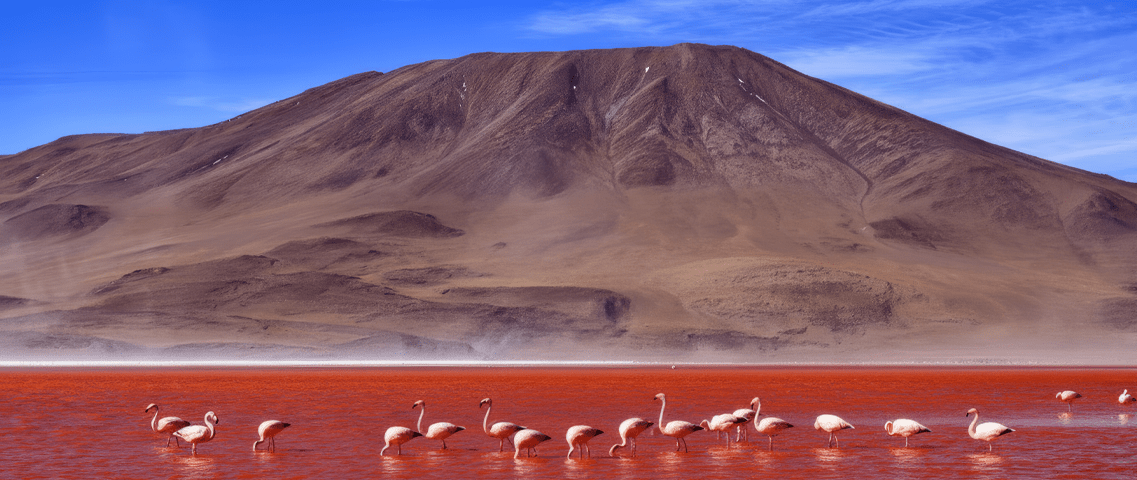
- Laguna Colorada: It is a high-altitude salt lake that shimmers red due to microalgae. But the real spectacle? Three of the world’s six migratory flamingo species nest together. The sight of their pink feathers against a blood-red lake is what unforgettable itineraries are made of.
- Laguna Verde: With its vibrant green waters, as a result of mineral-rich content, this lake sits below the towering Licancabur Volcano. Though toxic to wildlife, its reflective surface and emerald sheen make it one of Bolivia’s most photogenic locations.
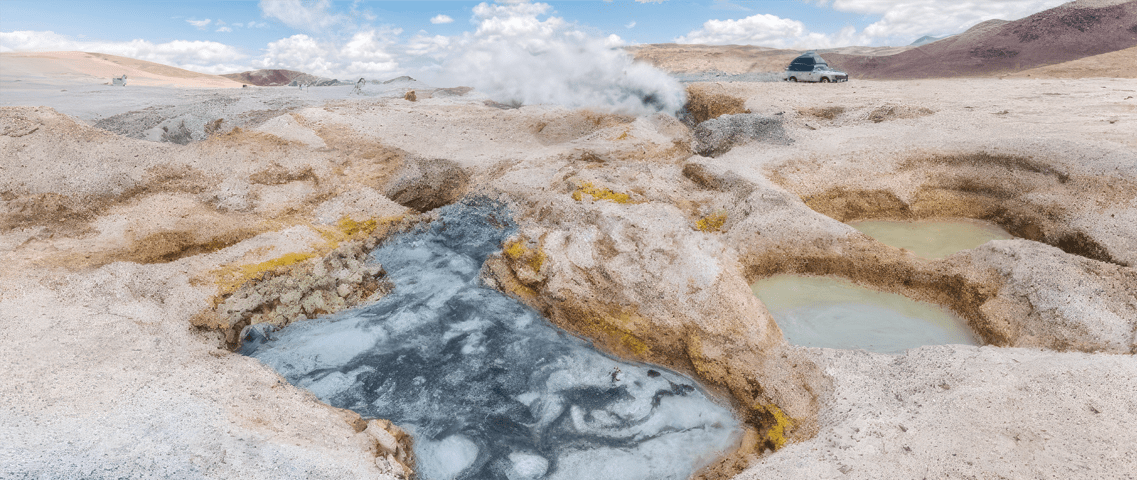
- Sol de Mañana: This area features geothermal and volcanic activity. Boiling mud pots, fumaroles, and steam vents rise dramatically from the rocky terrain. At dawn, with the cold air and golden sunrise, this becomes a truly prehistoric landscape.
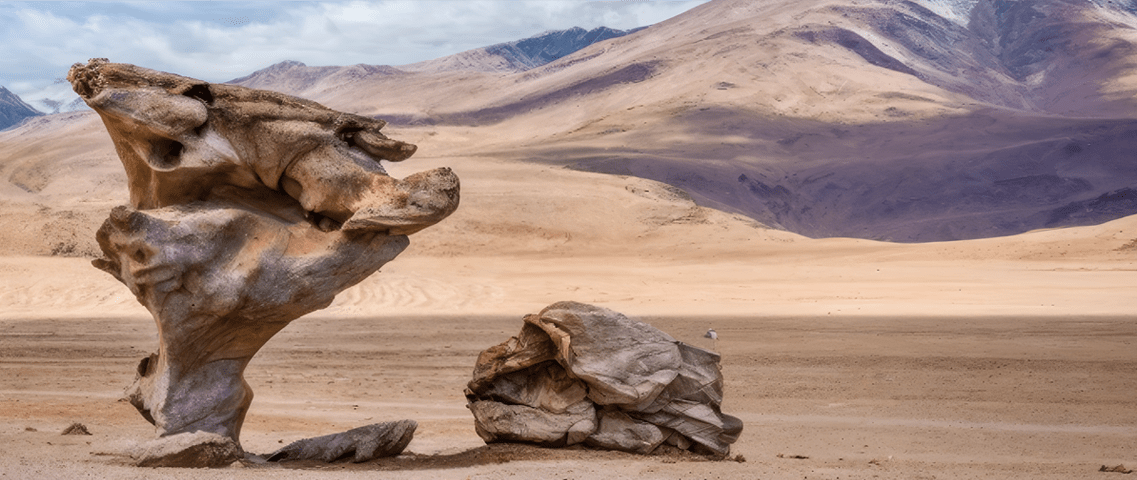
- Arbol de Piedra: The “Stone Tree” is a stunning rock formation rising 5 meters tall. Its wind-carved shape stands alone in the Siloli Desert, making it a popular photo and rest stop.
- Hot Springs of Polques: Amidst the chilly high-altitude climate, travelers can enjoy warm, mineral-rich waters at the Polques hot springs, set in the Salada lagoon on the western shore of the Chalviri Salt Flat with panoramic views.
Tips & Recommendations
- How to get it? Best accessed from Uyuni via the famous Uyuni Salt Flats circuit. Tour routes usually combine a route visiting Eduardo Avaroa, Uyuni Salt Flats, and San Pedro de Atacama (Chile)
For a 3–4-day adventure. - The best time is during the dry season (May–October): Best road conditions, clear skies, and easier wildlife spotting.
- It is also ideal for 4×4 overland journeys or group expeditions.
- The reserve’s elevation ranges from 4,300 m and over. It is recommended to undergo gradual acclimatization for travelers, possibly by staying a night or two in Uyuni or Tupiza.
Are you ready to include this breathtaking destination? Contact our Pure! Bolivia team. We are your specialized tour operator to craft tailor-made itineraries and efficient operations that ensure your clients’ journey is smooth and perfectly aligned with their expectations.
Published in November 2025