South America’s Carnival: A Tapestry of Culture and Color
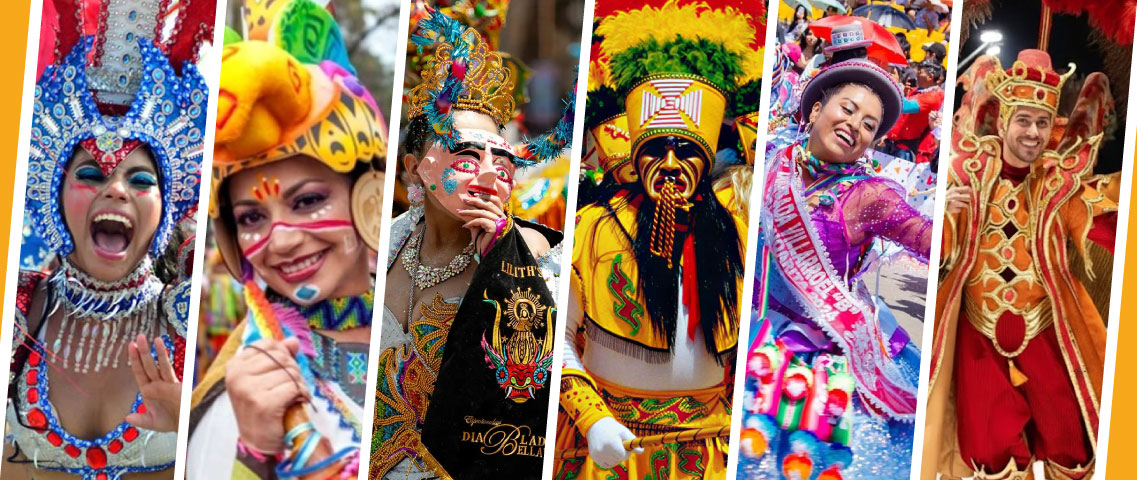
From the Caribbean coast of Colombia to the Andean heights of Bolivia and Peru, Carnival in South America is more than a party; it’s a celebration of identity, heritage, and joy. Planning cultural trips during this season of celebrations is a must to offer a vibrant entry point to the heart of each country.
Below is a brief breakdown of the most iconic Carnival traditions in our destinations, each with its own touch, history, and must-see experiences.
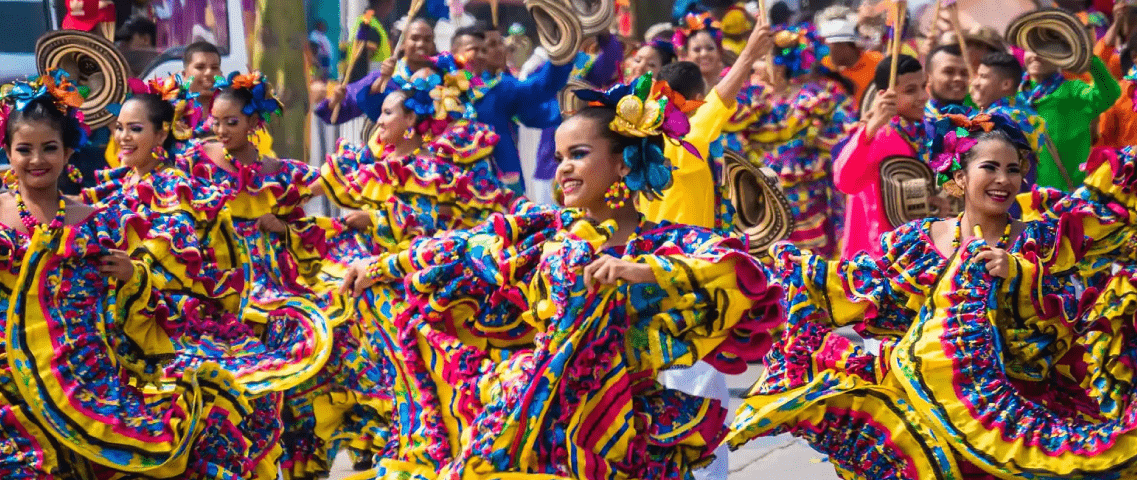
Colombia: The Barranquilla Vibrant Celebration
One of the largest carnivals in the world, Barranquilla’s Carnival is recognized by UNESCO as a part of its Intangible Cultural Heritage.
Every year between February and March, there is an outstanding celebration at Barranquilla, Colombia. You can experience the biggest Colombian folklore expressions that have been around for more than a hundred years. For a four-day holiday, you can enjoy street parties and masquerade parades filled with traditional music, dancing, and instrument performances.
One of the main carnival events is La Batalla de las Flores, which starts on Saturday before Ash Wednesday. This event consists of a large parade for six hours, led by the Carnival Queen. There, you can find folk dancing groups, colorful floats, costumes, and live music rhythms such as cumbia.
During the festivities, you can also find different characters of the carnival mythology like King Momo, María Moñitos, el Hombre Caimán, and Joselito Carnaval, one of the most important characters of the celebration.
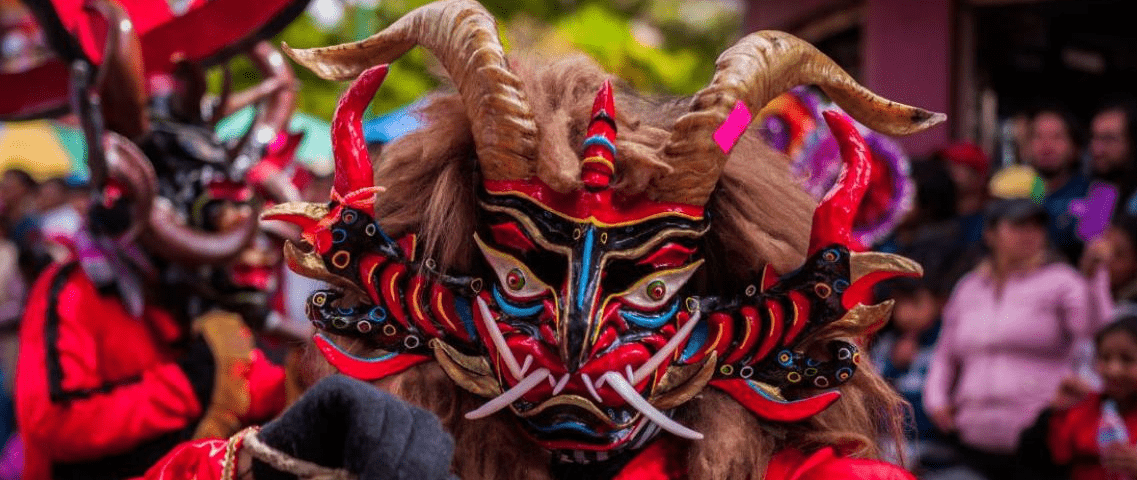
Ecuador: Joyful Traditions & Cultural Fusion
Ecuador celebrates carnival every February with a mix of indigenous and European traditions. Expect parades, music, and water fights—games that have changed over time with other elements such as carnival foam, eggs, or flour. The most iconic celebrations during this season take place in Guaranda and Ambato.
The small city of Guaranda in the Bolivar province becomes the epicenter of one of Ecuador’s most beloved and lively carnival experiences with deep Andean roots, warm local spirit, and energy. Find colorful parades, masquerades, and parade floats in the “Jorgas and Coplas Festival”. Also, non-stop music, dancing, and canelazo (a warm sugarcane and cinnamon drink with Pajaro Azul spirit).
One hallmark of Guaranda’s Carnival is the playful water and foam battles, where locals and visitors alike take part in a spontaneous street party. The use of flour, colored powders, and even eggs brings an almost lively atmosphere.
On the other hand, Ambato’s Fiesta de las Flores y las Frutas highlights the agricultural production of the province and offers an entirely different carnival experience. This event deliberately distances itself from the water games found in other regions.
The celebrations feature parades filled with flower-covered floats, folkloric dance performances and music concerts, civic, religious, and cultural events showcasing Ecuadorian craftsmanship and heritage, and ornate fruit and flower arrangements displayed throughout the city.
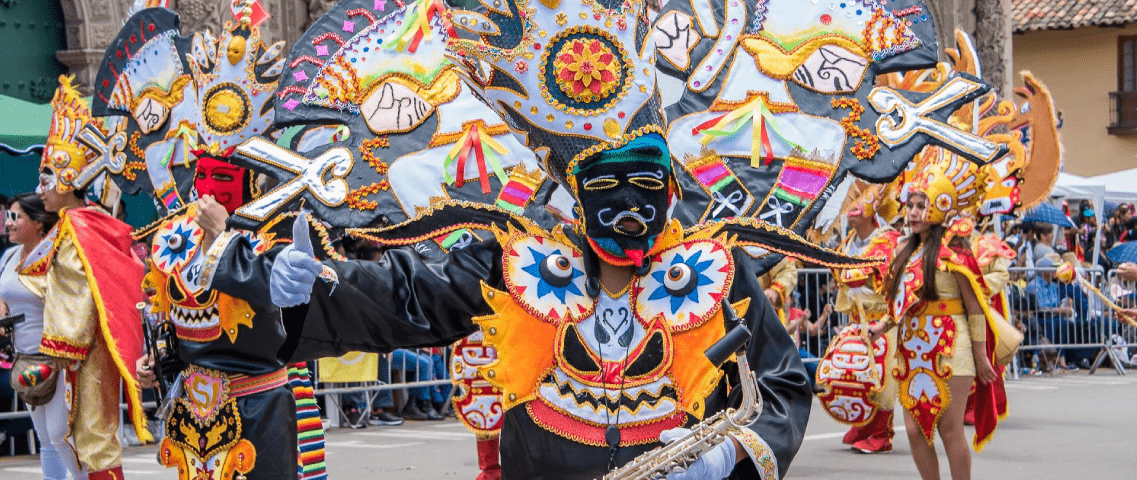
Peru: Cajamarca’s Folkloric Display
Often referred to as the “Capital of Peruvian Carnival,” Cajamarca offers a unique blend of Andean traditions, colonial heritage, and colorful celebrations, making it one of the most festive and culturally rich times to visit in northern Peru.
Held every February, this multi-day celebration turns the entire city into a living stage. Expect lively parades filled with dancers in hand-painted masks, traditional musicians, and endless bursts of color. What sets Cajamarca’s carnival apart is its deeply rooted symbolism that is brought to life through theatrical performances and community processions. The Carnival of Cajamarca comes alive through its iconic characters: Rey Momo, the joyful king who kicks off the festivities; Ño Carnavalon, a satirical figure offering humor and social critique; and Troupes and patrols, vibrant community dance troupes that showcase graceful dance moves in parades.
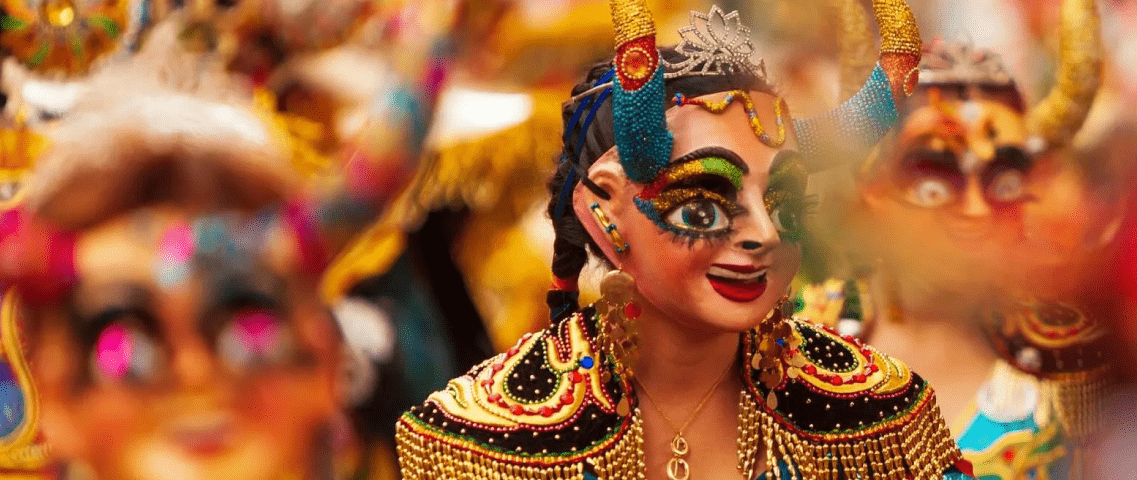
Bolivia: The Oruro Iconic Celebration
Bolivia’s Carnival of Oruro takes place between February and March. This UNESCO-listed event blends indigenous spirituality with Catholicism in a mesmerizing 48-hour dance parade led by the famed Diablada.
The heart of the celebration is the Entrada, a 20-hour procession of more than 50 folkloric groups dancing over 4 kilometers to the Sanctuary of the Socavón. Each group performs dances such as diablada, morenada, potolo, and caporales based on Bolivian myths, legends, and historical events, wearing elaborate costumes that transform the streets into a living museum of cultural heritage. Then, continue the traditional festivities called the Convites.
The Oruro Carnival features mythical figures like Supay (the devil), La China Supay, El Tío de la Mina, and Archangel Michael, dancing out a battle between good and evil. These symbolic characters, rooted in Andean and Catholic traditions, turn the parade into a moving ritual—offering travelers a profound insight into Bolivia’s cultural and spiritual identity.
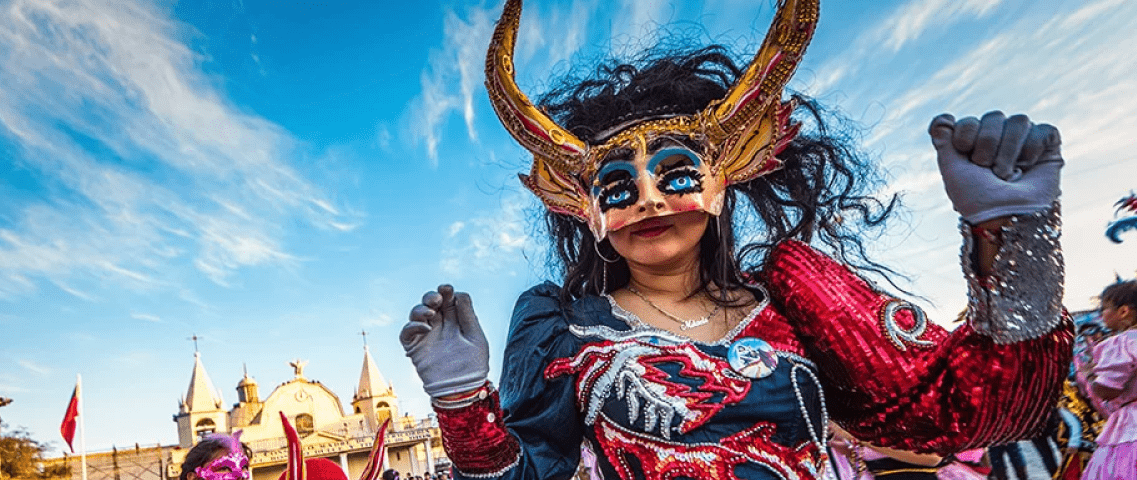
Chile: Andean Rhythms in the North
In northern Chile, the city of Arica bursts into life each January with one of South America’s most spectacular cultural festivals: the Carnaval Andino “Con la Fuerza del Sol.” It is more than just a carnival; this is a living expression of Andean identity, uniting indigenous Aymara traditions with the vibrant energy of modern Chilean culture. Expect vibrant dances with more than 15,000 dancers and 5,000 musicians from Chile, Bolivia, and Peru, transforming Arica’s streets into a stunning open-air stage.
The power of the carnival lies in its characters that are brought to life through music, movement, and ancestral symbolism such as diabladas and caporales.

Argentina: Gualeguaychú Loudest Carnival
When it comes to carnival in Argentina, one city stands above the rest is Gualeguaychú, in the Entre Ríos province. Known as Argentina’s biggest and boldest carnival. It’s a dazzling fusion of samba, showmanship, and artistic expression that takes place every January to early March.
This deeply rooted cultural event brings the entire community together. The heart of the celebration lies in the Corsódromo, a purpose-built parade venue where thousands of dancers, drummers, and float-makers.
Each year, local comparsas (dance troupes)—including Ara Yeví, Marí Marí, Kamarr, and Papelitos—prepare spectacular themed performances, featuring around 1000 artists, and compete in a contest.
Also, alternative activities are gastronomic fairs and local entrepreneurship that offer different options for souvenirs and local products.
Are you ready to experience the most joyful side of South America? Recommend your clients to experience the best cultural displays during Carnival celebrations across South America, from the largest parades to artistic performances. Contact us to explore tailored packages and expert recommendations.
Published in January 2026