
Get Immersed in South America’s Rich Culture
What if the most powerful part of a South American journey were not a famous monument, but a conversation?
Community tourism invites travelers to slow down, listen, and see a destination through the eyes of the people who call it home. These experiences offer a meaningful way to build responsible travel options across South America that connect travelers with living traditions, local culture, and remarkable landscapes.
Six Journeys with Deeper Meaning
Colombia: Wisdom in the Sierra Nevada
The Sierra Nevada of Santa Marta is more than a mountain range. It is an ancestral territory where nature and Indigenous knowledge remain closely connected. The region is home to the Kogi, Arhuaco, Wiwa, and Kankuamo communities, whose traditions are rooted in respect for the land.
Locally led visits may include guided walks, conversations about ancestral beliefs, traditional food, and an introduction to weaving and regional crafts.
A must-do for travelers is a trek to reach the indigenous Wiwa community of Gotsezhy, where they can stay in community accommodation, share traditional meals, discover local handicrafts and learn from a Mamo, or spiritual authority. This community’s tourism initiative has helped fund education, drinking-water access, gardens and waste-management improvements.
Ecuador: Creativity & Culture in Otavalo
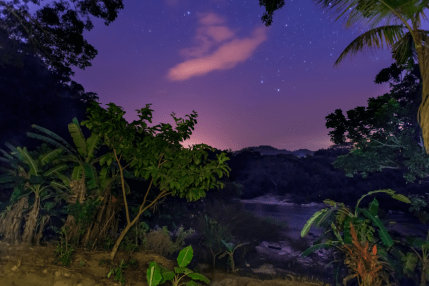
Otavalo is widely known for its colorful textiles, but its cultural richness extends far beyond its famous indigenous market. Community-based experiences in this Andean region can combine artisan workshops, Andean music, rural visits, local food, and conversations with Kichwa families.
In the Kichwa community of La Calera, near Otavalo and Cotacachi, travelers take part in preparing Pachamanka, an ancestral Andean meal cooked underground with heated volcanic stones. While the food slowly cooks, guests visit the community-run alpaca project in Morochos, where they learn about the animals’ cultural and economic importance, help feed them and connect with the surrounding highland landscape. The experience concludes by uncovering the Pachamanka and sharing the traditional meal with community hosts.

Peru: Living Culture in the Sacred Valley
Between Cusco and Machu Picchu, the Sacred Valley is home to rural communities that are part of the living culture of the Andes and welcome travelers to learn about their work and traditions.
Depending on the host community, you can be part of a half-day or overnight visit near a local family and learn how traditional skills pass from one generation to the next.
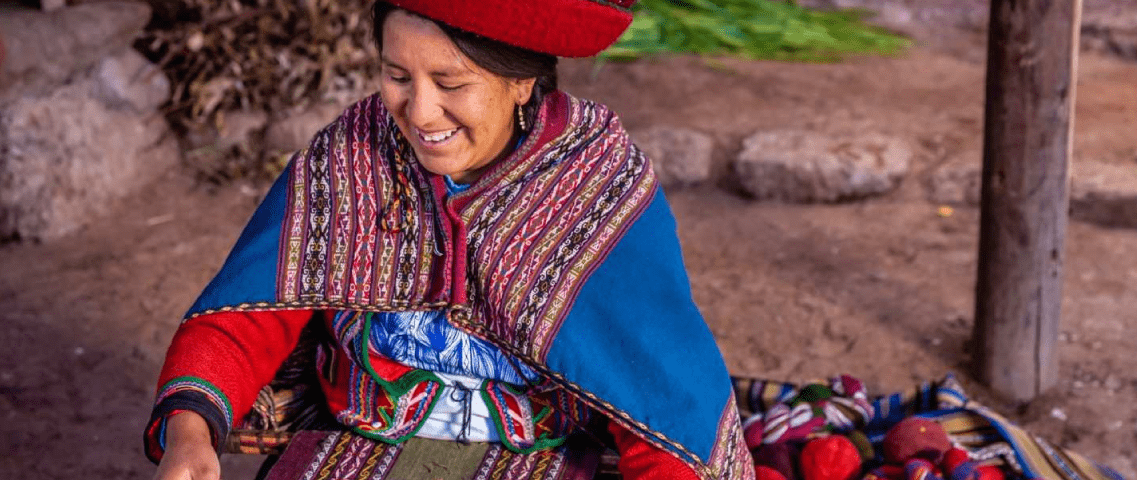
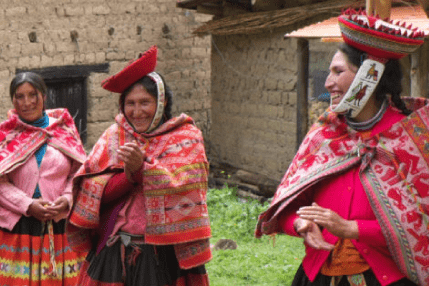
Huilloc is a Quechua community near Ollantaytambo where ancestral clothing, weaving, and agricultural traditions remain part of daily life. Visitors can learn about natural dyes and textile symbolism, participate in work in the chakra or family field, be part of ancestral rituals, and share a community-prepared meal.
Bolivia: Life Across the Altiplano
Lake Titicaca and the Bolivian Altiplano invite travelers into a world of wide skies, ancient agricultural knowledge, and strong community ties.
Small-scale community tourism in Bolivia has grown through homestays and cooperative projects designed to complement farming and other traditional livelihoods. In many cases, work and benefits are shared among participating families.
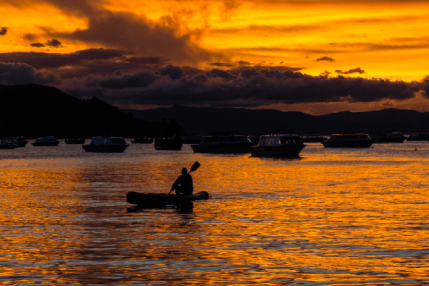
Experiences may include spending the night with host families in communities such as Yumani. Accompanied by a local guide, they can follow the island’s trails through agricultural terraces, learn about Aymara and Quechua traditions, and visit sacred sites such as Pilko Kaina, the Inca Staircase and the Fountain of the Inca.
Argentina: Community Life in Salta and Jujuy
Northern Argentina combines red mountains, high plains, small villages, and deep indigenous roots. Around Salta and Jujuy, community-based rural tourism gives travelers the chance to experience local food like traditional empanadas al horno and delicacies, crafts, farming traditions, or stroll through the vineyards and orchards.
San Francisco de Alfarcito in Jujuy is a strong example. Local families organize lodging, food, and guiding. Near this community, travelers can learn about its artisans who work in wood, stone, and salt, as well as woven textiles from llama wool. Additionally, travelers can experience a traditional herd of llamas and try local dishes made with ancestral techniques.

Chile: Mapuche Cultural Encounters
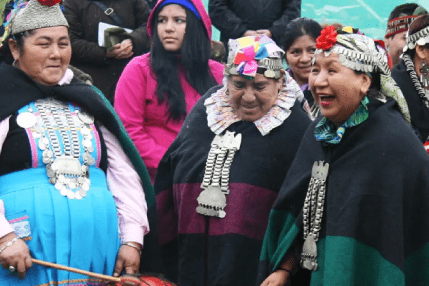
In southern Chile, Mapuche-led tourism introduces travelers to a culture shaped by community, food, land, and oral tradition.
Experiences may include visiting a ruca (a traditional place used to eat, sleep, store, or for family activities), where you can share traditional dishes, including sopaipillas, tortillas de rescoldo, and muday.
Another option is joining routes in Lake Budi to learn about local crafts, woven products, and enjoy excursions. Also, go around the Lafquenche River, which was an ancient Mapuche route for trading and exchanging products. Some hosts also offer overnight stays connected with daily community life.
Community tourism in South America can transform an itinerary into a story of respect, learning, and connection. Let’s get in touch! Our local teams will be glad to give you the best recommendations to include community-based experiences in your itineraries.
Published in July 2026